Snowshoe hiking for beginners: what to bring and what to expect
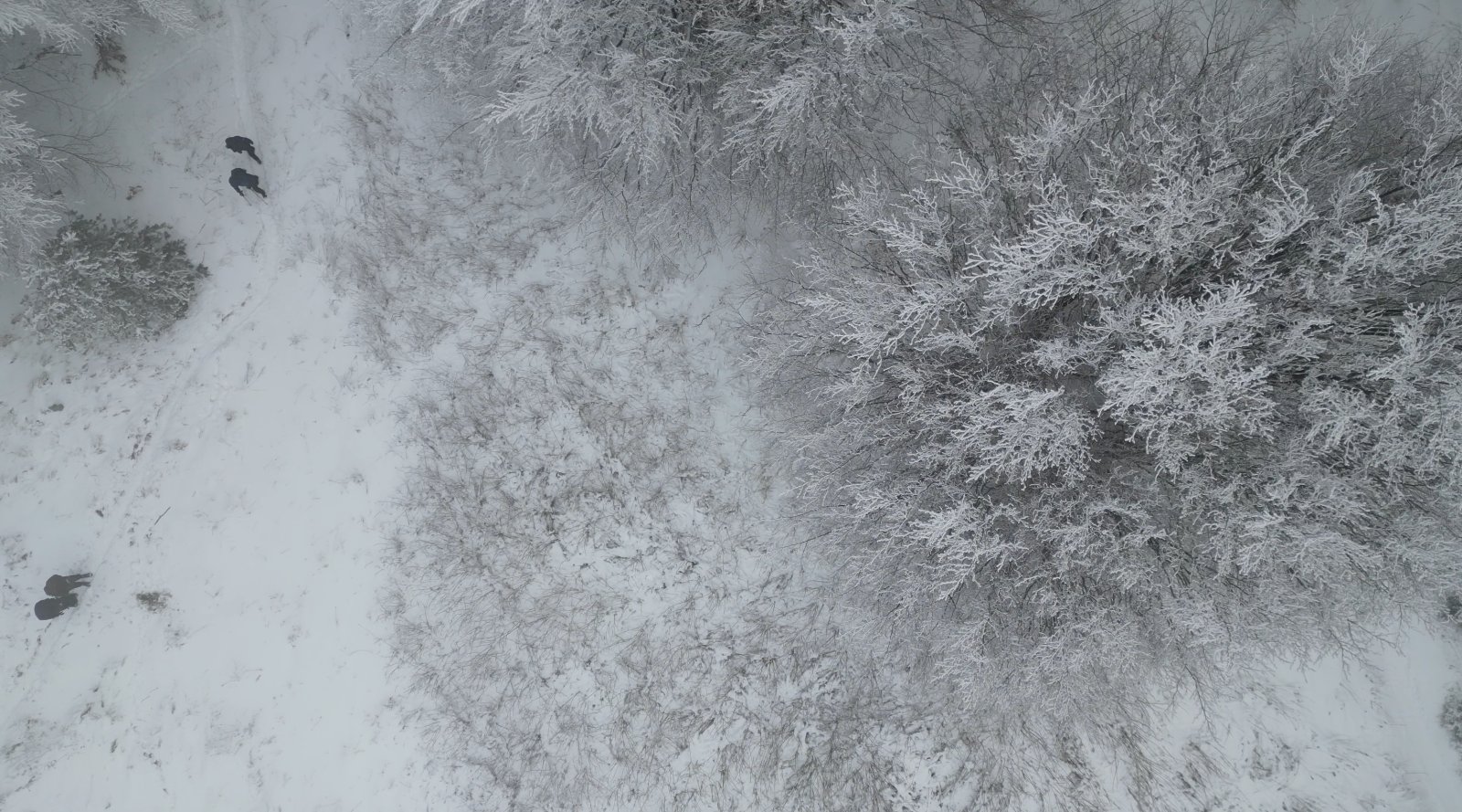
Ever wondered what it feels like to explore the mountains when they're covered in snow?
Imagine stepping into a winter wonderland, where familiar trails disappear beneath a blanket of white, the air feels crisp and the only sound is the crunch of snow beneath your feet.
That's the magic of snowshoe hiking. And the best part? You don't need to be an experienced mountaineer to give it a go.
Whether you're looking for a new winter adventure or simply want to experience the mountains from a different perspective, here's everything you need to know before your first snowshoe hike.
First things first – what is snowshoe hiking?
Think of snowshoeing as hiking, but with a winter twist. Snowshoes are specially designed to spread your weight over a larger surface, helping you walk across snow without sinking as deeply into it.
Unlike skiing or snowboarding, there's no complicated technique to master. If you can hike, you can usually learn to snowshoe! Of course, walking through snow requires a little more effort than your usual summer trail, but that's all part of the adventure.
And with the right equipment, suitable conditions and an experienced local guide, it's a wonderful way to discover the quieter side of winter.
What should you bring on a snowshoe hike?
The secret to enjoying a winter hike? Being prepared. You don't need an entirely new wardrobe, but a few essentials can make the difference between an unforgettable adventure and a very chilly afternoon.
1. Dress in layers
Mountain weather can change quickly, and while you might start your hike feeling cold, you'll soon warm up once you're moving.
- Base layer: Moisture-wicking thermals to keep sweat away from your skin.
- Mid-layer: A fleece or insulated jacket for warmth.
- Outer layer: A waterproof, windproof jacket to protect you from snow and wind.
2. Waterproof hiking boots
Cold, wet feet? No, thank you.
A good pair of waterproof hiking boots with ankle support will help keep your feet warm and comfortable throughout the hike. Add warm hiking socks, preferably merino wool, and you're ready to go.
3. Snowshoes and trekking poles
The stars of the show! Snowshoes attach to your boots and help you move across snowy terrain. Trekking poles with snow baskets provide extra stability, especially when heading uphill or downhill. If you're joining a guided snowshoe hike, check whether snowshoes and poles are included or available to rent.
4. A few winter essentials
Don't forget the little things that make a big difference.
- Warm gloves, a hat and a neck warmer
- Sunglasses and sunscreen (yes, even in winter!)
- Water and a few energy-packed snacks
- A small backpack
- An extra warm layer for breaks
- A headtorch, particularly when daylight hours are short
Your guide may recommend additional equipment depending on the route, weather and snow conditions.
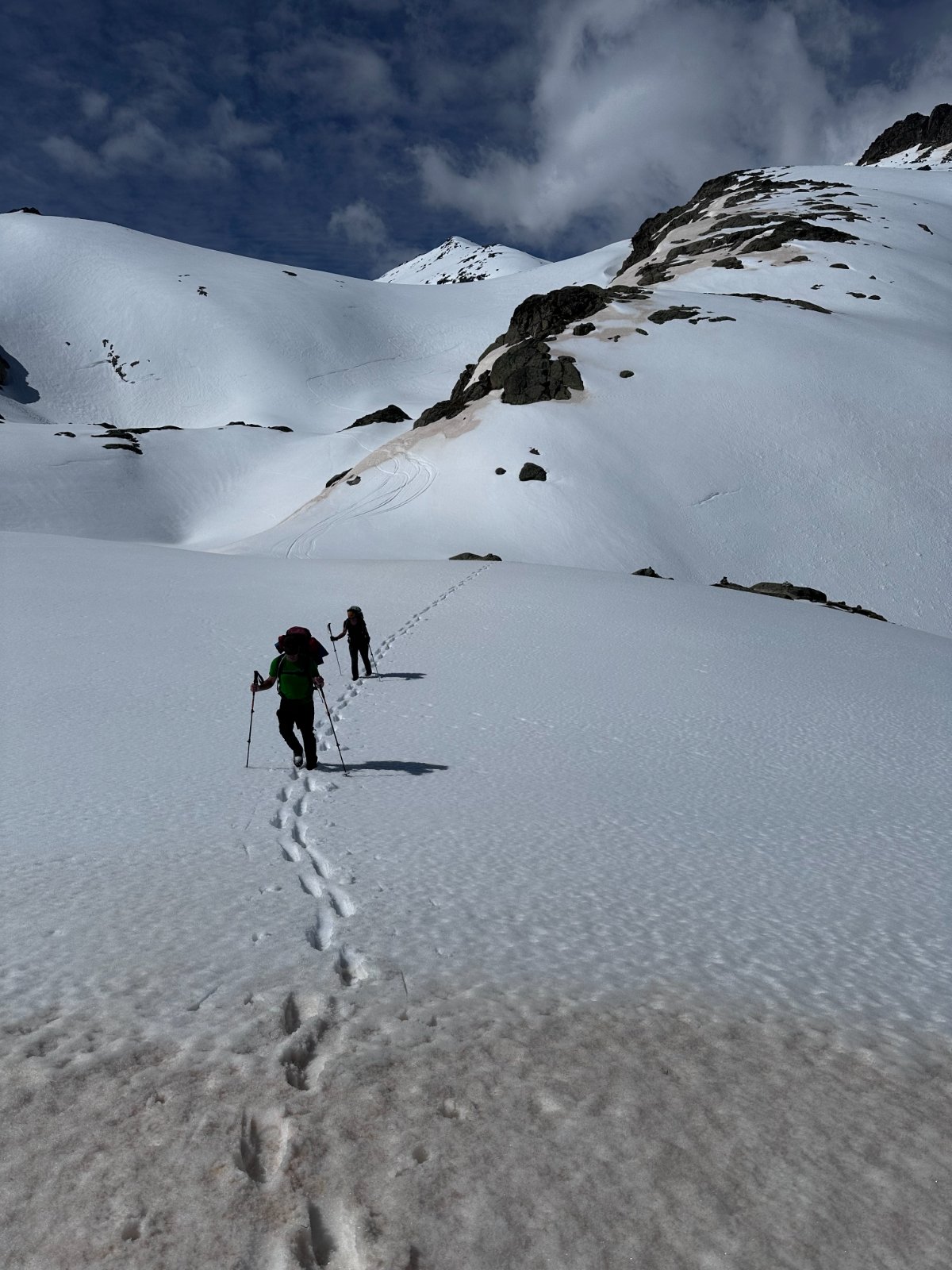
What to expect on your first snowshoe hike
There's something special about being in the mountains during winter. The landscapes feel quieter, the trails look completely different and even familiar places can feel like somewhere new. Snowshoeing gives you the chance to slow down, take in your surroundings and experience the beauty of winter without the rush.
It's a workout (but a fun one!)
Walking through snow takes more energy than hiking on dry ground, especially when the snow is deep or the terrain gets steeper. You might find yourself moving a little slower than usual, and that's perfectly normal.
Choose a route that matches your fitness level, take breaks when needed and remember: it's not about how quickly you reach the destination – it's about enjoying the journey.
You don't need previous snowshoeing experience
One of the best things about snowshoeing is how approachable it can be.
Most beginners pick up the basic walking technique fairly quickly. You'll need to adjust your stride slightly, particularly when turning or tackling slopes, but it soon starts to feel natural.
For your first adventure, a guided beginner-friendly route is a great place to start.
Winter conditions deserve extra respect
Snow-covered mountains are beautiful, but they also come with challenges that you might not encounter on a summer hike. Weather can change quickly, trails can be difficult to follow and some areas may be exposed to avalanche hazards. That's why choosing an appropriate route, checking conditions and understanding winter mountain safety are essential.
A qualified local guide with knowledge of the terrain and current conditions can help you enjoy the experience while making informed decisions about the route and equipment.
Why try snowshoeing with a local guide?
Your first snowshoe hike should be about enjoying the experience, not worrying about which direction to take. Exploring with a local guide means discovering routes suited to your ability, learning more about the winter landscape and benefiting from someone who knows the mountains.
From hidden snowy trails to breathtaking mountain views, local guides can introduce you to places you might never have discovered on your own.
Ready to swap your usual hiking trails for something a little snowier? Here are a few snowshoe adventures to discover on Made to Hike.
FAQ
Is snowshoe hiking suitable for beginners?
Absolutely! Snowshoeing is one of the most accessible ways to explore snowy landscapes. If you're comfortable walking and have a reasonable level of fitness, you can usually enjoy a beginner-friendly snowshoe hike. Start with an easy route and consider joining a local guide for your first adventure.
Is snowshoe hiking harder than regular hiking?
Snowshoeing can be more physically demanding than regular hiking because walking through snow requires extra effort. How challenging it feels depends on the terrain, snow conditions and distance. The good news? You can choose a route that suits your fitness level and take things at your own pace.Do I need to bring my own snowshoes on a guided hike?
Not always! Some guided snowshoe experiences include equipment or offer rentals, so you don't necessarily need to invest in your own snowshoes before trying it. Check the tour details or ask your guide what equipment is provided and what you'll need to bring.