How to create a hiking tour that people want to book
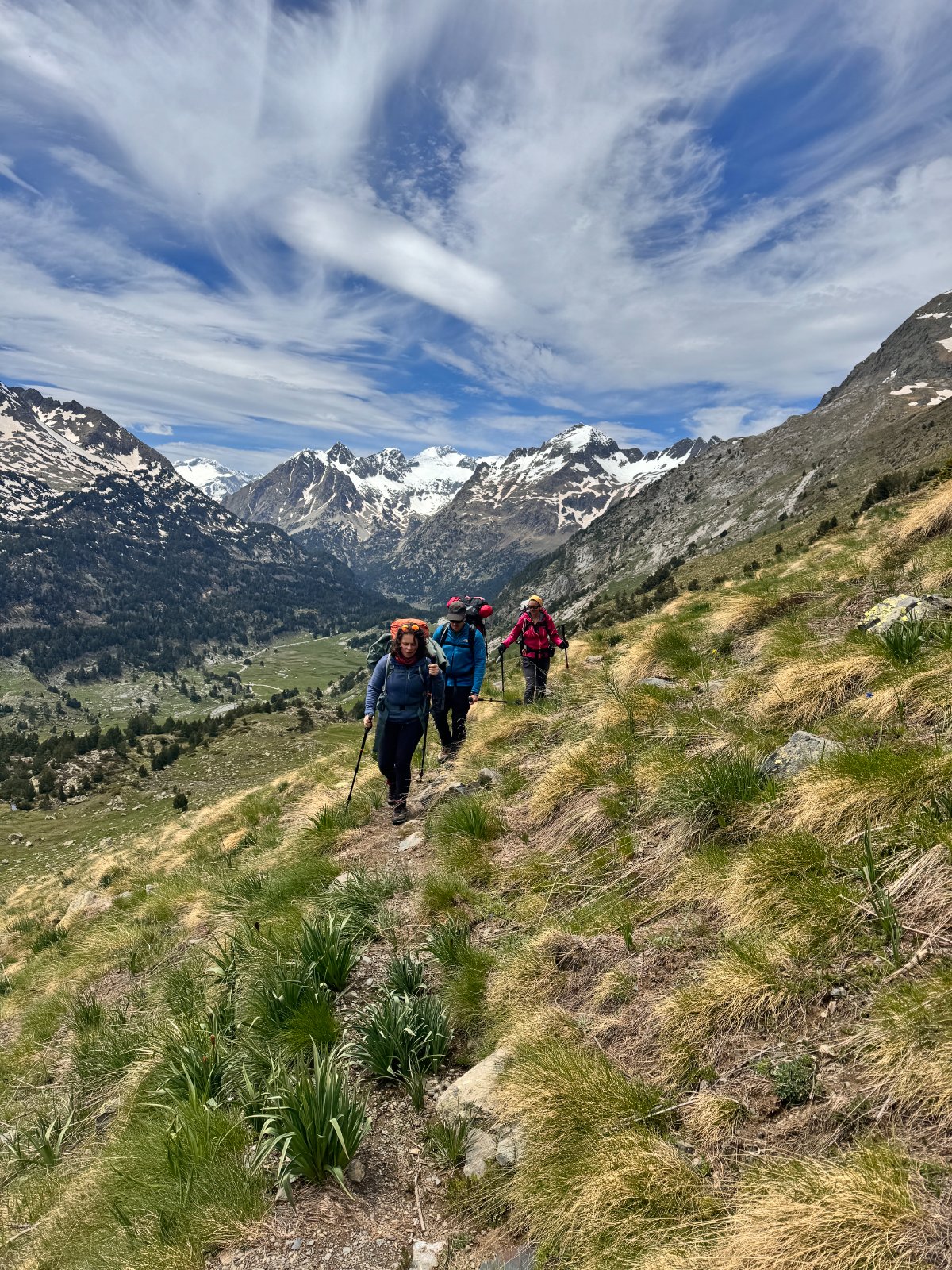
Creating a great hiking tour isn't only about choosing a beautiful route. Before anyone joins you on the trail, they need to understand what you're offering and feel confident it's the right experience for them.
Every part of how you present your tour matters, from the title and photos to the description, difficulty and practical details.
A strong tour should quickly answer three questions: What will I experience? Is this right for me? Why should I book this guide?
Start with a clear, specific tour title
Your title is often the first thing someone sees, so make it clear what the experience actually is.
Vague titles like Mountain Adventure or Beautiful Valley Hike might sound appealing, but they don't give people much to grab onto. A stronger title combines the place, what happens and something distinctive about the experience.
Vague: Mountain Adventure
Hike Specific: Sunrise Hike to the Tre Cime Summit Ridge
Vague: Beautiful Valley
Hike Specific: Guided Coastal Hike from Portofino to San Fruttuoso
Vague: Hidden Gem
Hike Specific: Quiet Waterfall Trail Above Lake Bohinj – Away from the Bled Crowds
Specific titles also naturally use the words people are more likely to search for, helping the right hikers find your tour.
Choose photos that tell the story of the day
Photos should help people picture themselves on the tour, not just show them where it takes place.
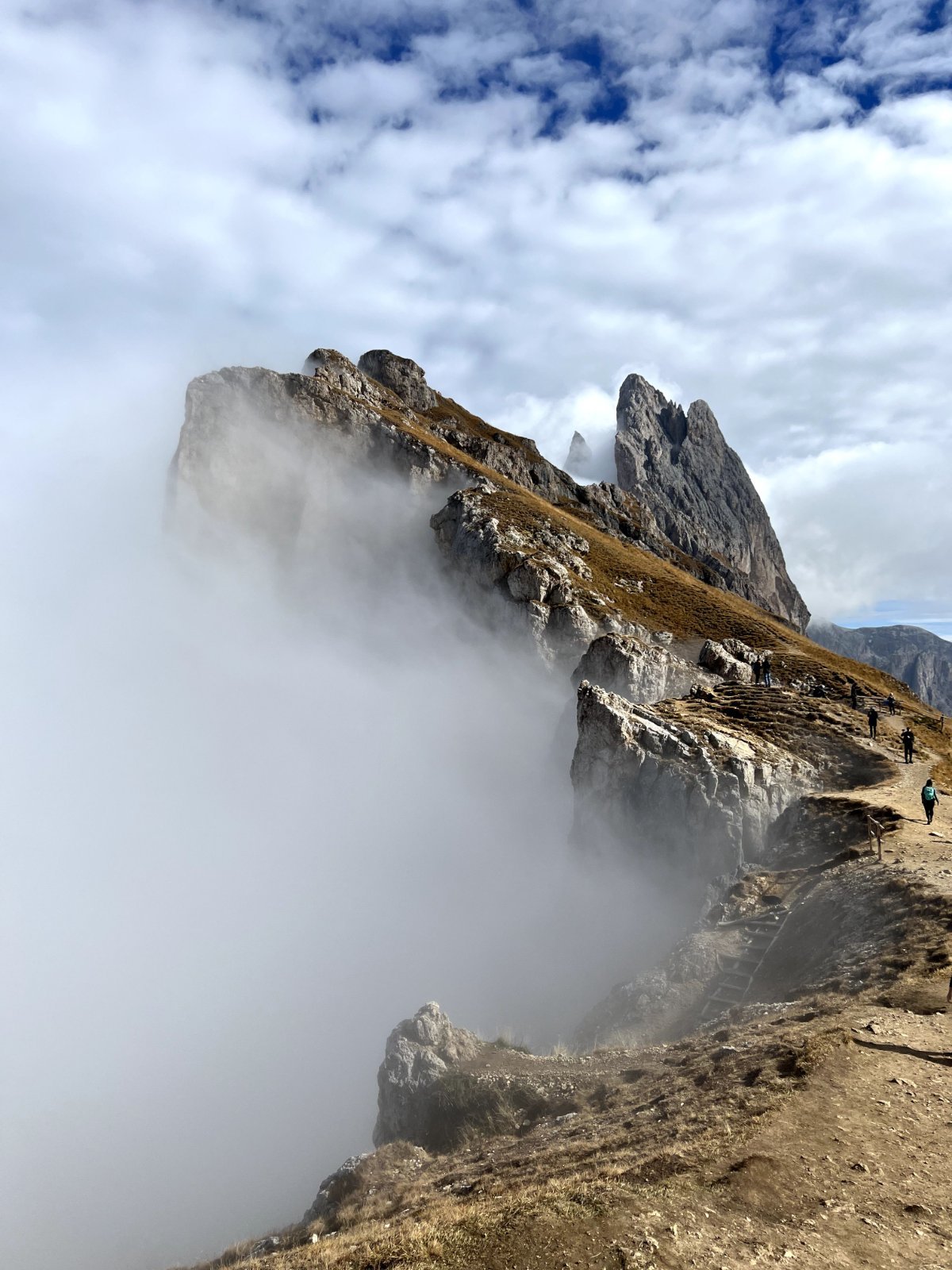
Start with a strong hero image – the view or moment that makes someone want to know more. Then use the rest to show different parts of the experience. Five near-identical mountain panoramas won't tell someone much. A stronger set might include:
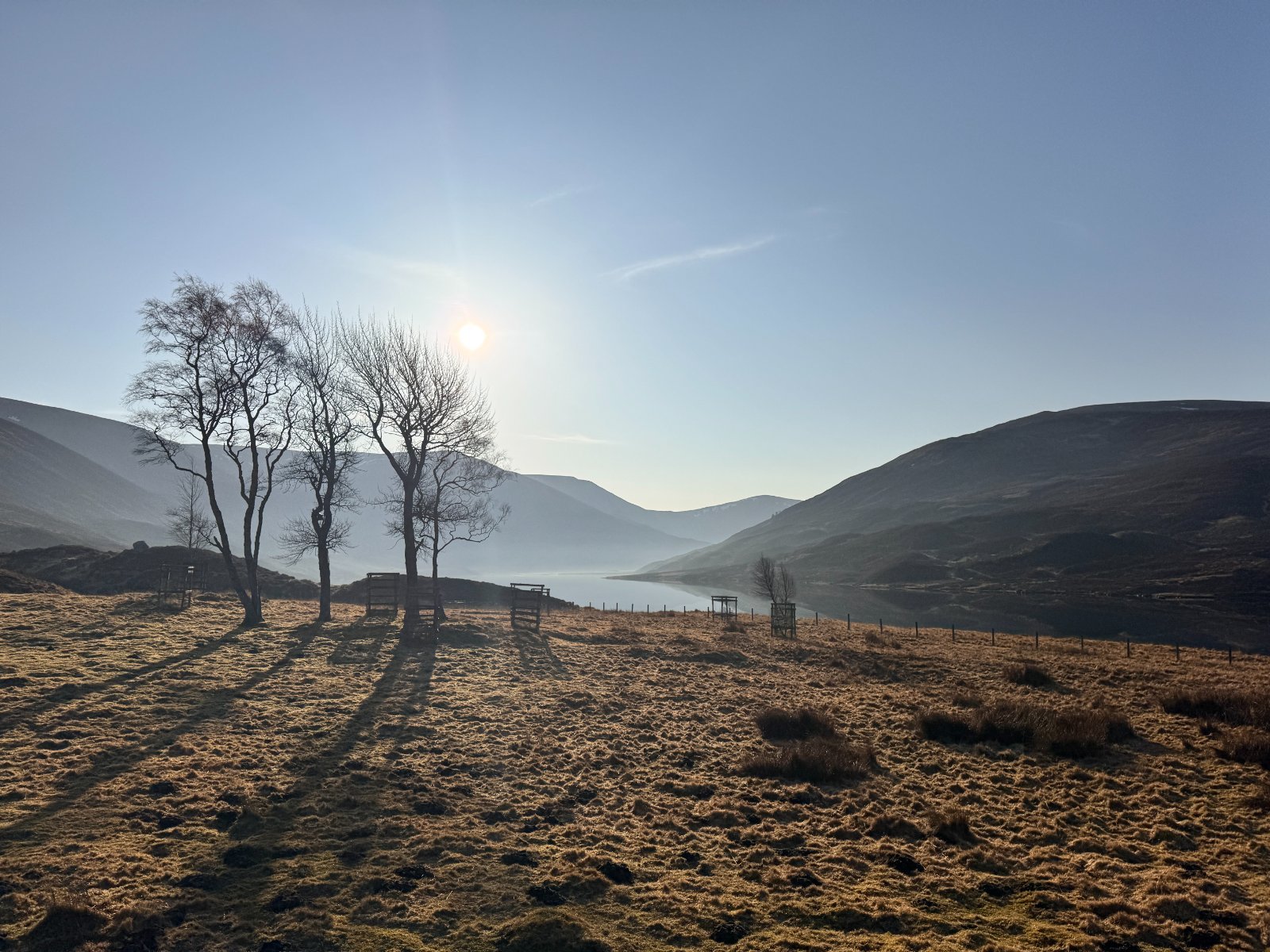
The hero shot – the view or moment that sells the tour
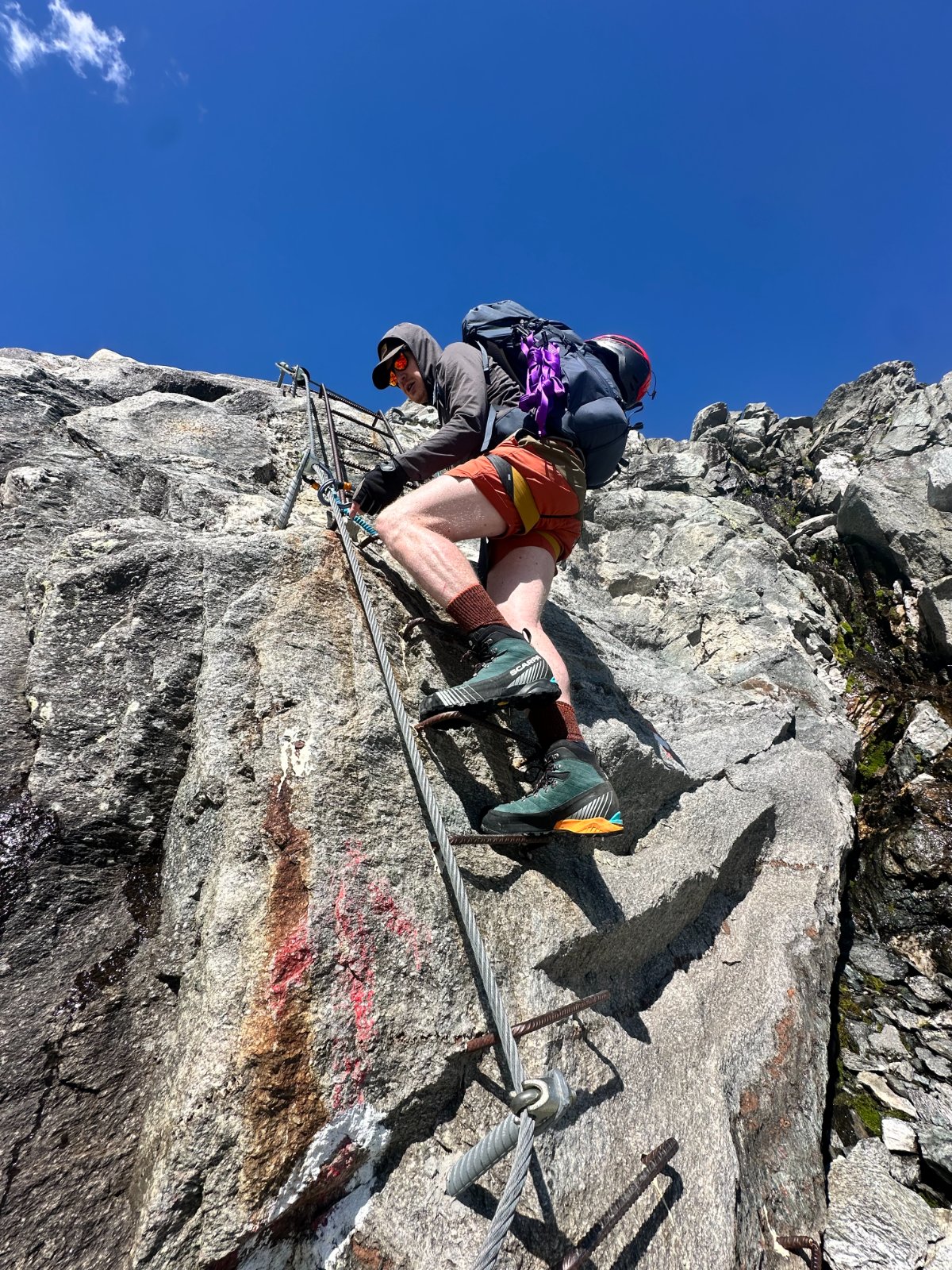
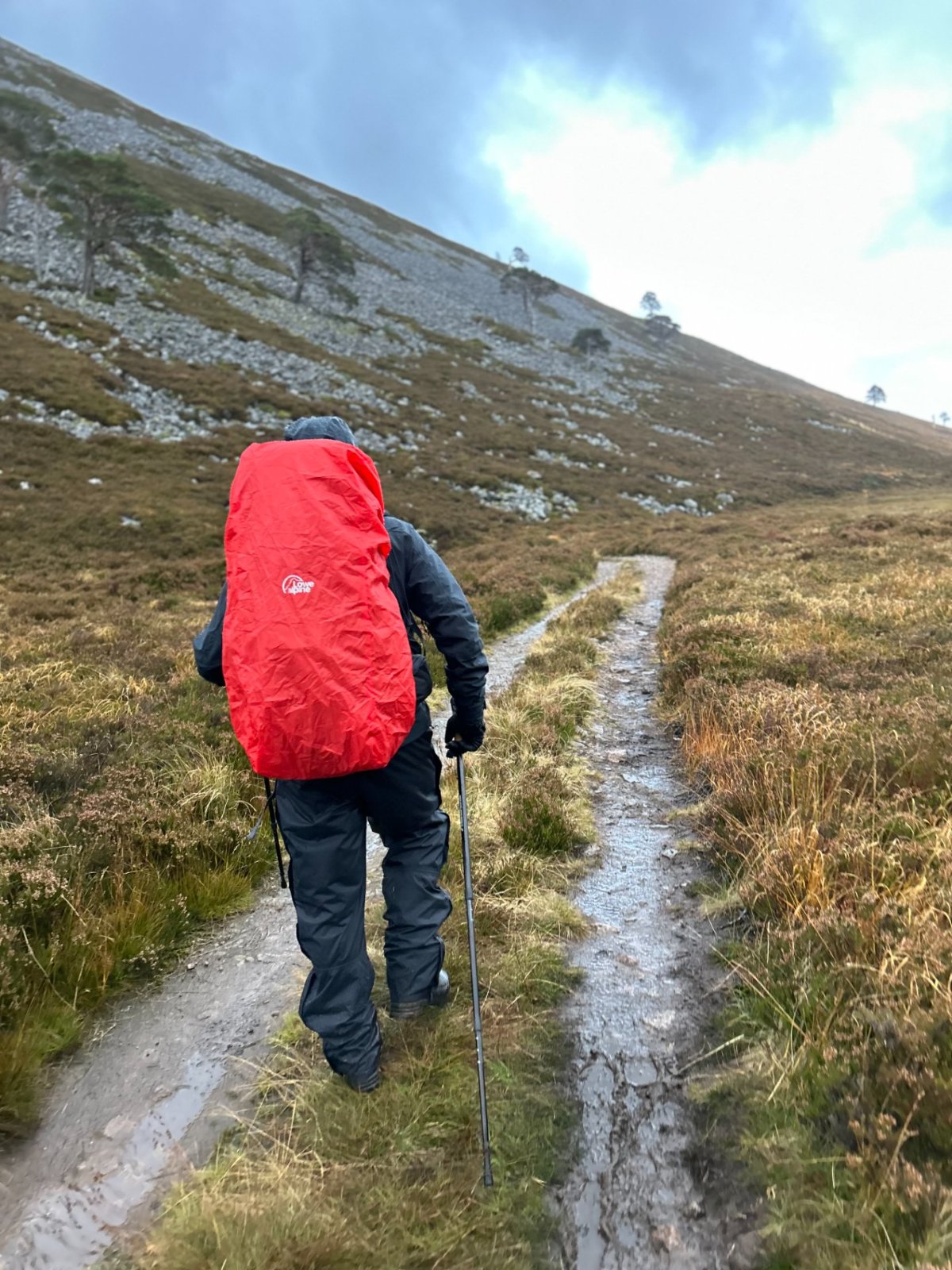
The terrain – what people will actually be walking on
A person on the trail – for scale and atmosphere
The distinctive feature – a summit cross, waterfall or old refuge
A candid moment – a break, the group together or the guide sharing something along the way
Together, the photos should give someone a feel for the day before they've even read the description.
Make the opening description do the hard work
The first few lines are where someone decides whether to keep reading, so don't begin with a list of statistics. Start with what makes the experience worth joining. What will people see? What makes the route special? Is there something they would be unlikely to discover without a local guide?
Rather than: "This 12km hike has 650 metres of elevation and takes approximately five hours."
Try: "Leave the busy trails behind and follow a quieter route into the mountains, climbing towards a panoramic ridge overlooking the valley below."
The practical information still matters, it just doesn't need to come first. Help people understand what the day will actually be like
Once you've caught their attention, tell the story of the hike without describing every turn in the trail. Where does the walk begin? What are the moments that define the day? Think summits, waterfalls, villages, wildlife, viewpoints or local stories that make the route memorable.
Give people enough to know what they're booking, while leaving something to discover on the day.
Match the tags to the description, not the other way round. If you've written about a quiet, contemplative route, don't tag it Peak-bagger just because it ends on a summit. Tag it Escapist or Nature-lover if that's genuinely the experience. Two tags is usually enough. A tour that's tagged for everyone reads as a tour that's really for no one. Pick the one or two personas your route genuinely suits best. Use the persona language in your actual copy. If you've tagged Newbie / Learner, say so directly in the description – "a great first mountain hike" does real work, both for hikers and for the Copilot matching them to you. Revisit the tags after a few bookings. If you notice your Escapist-tagged tour keeps attracting groups of friends looking for a social day out, that's useful signal – either adjust the tags or adjust the copy so the two line up again
Be clear about difficulty
A difficulty rating alone doesn't tell people enough. Include the distance, elevation and approximate duration, but also explain what the hike feels like. Is the terrain rocky? Are there long climbs or steep descents? Is previous hiking experience needed?
Being clear helps the right people choose your tour and arrive prepared.
Say who the tour is for
Not every hike needs to appeal to everyone. Perhaps yours is a great first mountain hike, a challenging day for experienced walkers, family-friendly or perfect for people looking to escape the busier trails. The right person should read it and think, this is for me.
Don't forget the practical details
Once someone is interested, make the essentials easy to find:
duration and distance
meeting point
group size
what to bring
what's included
transport, if relevant
fitness or experience requirements
Don't make people guess what they're booking!
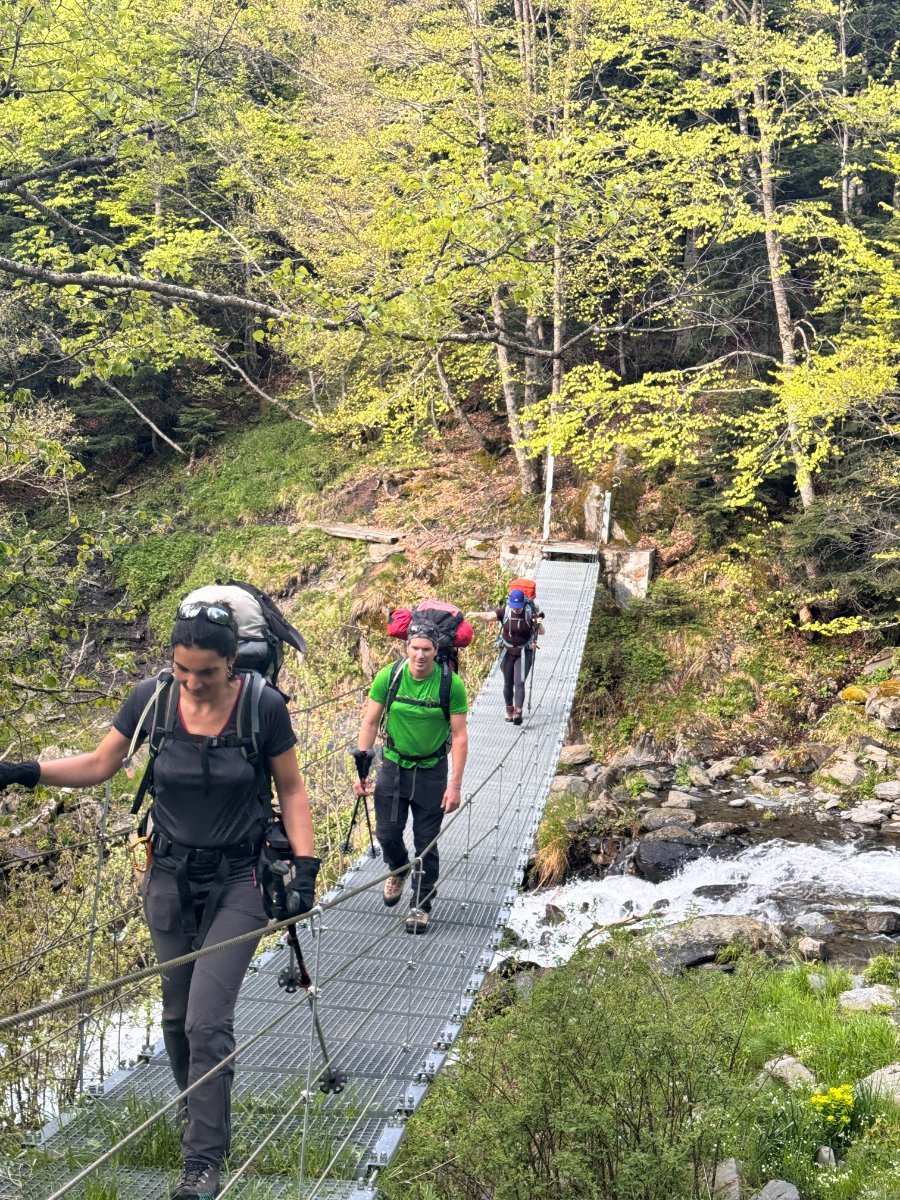
Give people a reason to choose you
A great route is only part of the experience. People are also choosing who they want to explore it with. Maybe you know the stories behind the landscape, can spot wildlife others would miss or know the quieter trails away from the crowds. Whatever makes your tour different, let it show.
Be specific, not generic
Words like stunning, breathtaking and hidden gem are everywhere. Specific details are much more memorable.
Don't just promise "incredible views". Tell people what they'll actually see or experience. You don't need to oversell a great hike, make it feel real.
Make it easy to find
Use the words people naturally search for in your title and description, including the location, type of hike and what makes it distinctive. You don't need to write for an algorithm. Clear, specific language works for people and search engines.
One last look
Before you publish, look at the tour as someone discovering it for the first time.
Can they quickly understand what they'll experience, whether it's right for them and why they should choose you? If the title catches their attention, the photos draw them in and the details give them confidence, you've done the most important thing: helped them picture themselves on the trail.
FAQ
How long should my description be?
Long enough to answer what/who/why, short enough that no one skims past it. Most well-performing listings land around 150–300 words for the main story, plus the structured practical-details list below it. If you're going past 400 words, check whether you've drifted into turn-by-turn directions rather than the story of the day.Do I need professional photos?
No, but you do need photos that show the actual experience rather than only landscape shots. Phone photos from a real tour, including people on the trail, usually outperform polished stock-style scenery shots.
What if my tour genuinely appeals to more than one type of hiker?
That's fine, the persona selector allows more than one tag. But resist tagging everything. If you're unsure, pick the persona that matches your opening line, since that's the hook doing the actual selling.Does the hiker persona tag affect anything besides matching?
Yes, it feeds the AI Copilot that helps target hikers and self-select into tours, so it's worth treating as seriously as your title or photos, not as an afterthought checkbox.
Can I change my title, photos, or persona tags after publishing?
Yes, you can update your listing at any time from your guide dashboard. If a tour isn't attracting the bookings you expected, revisiting the title and persona tags first is often the fastest fix, before assuming the route itself is the problem.
Should I mention price or difficulty in the title?
Difficulty, only if it's genuinely distinctive (e.g. "Beginner-Friendly" or "Challenging"). Price isn't necessary in the title, it's already visible on the listing card, and repeating it there just uses up space better spent on what makes the hike worth booking.
What's the single biggest mistake to avoid?
Writing the listing the way you'd write a trail report; accurate, but built to inform rather than to sell the feeling of the day. Lead with the experience; let the logistics follow.